
Why Forests Are at Risk
Why reducing excess vegetation matters
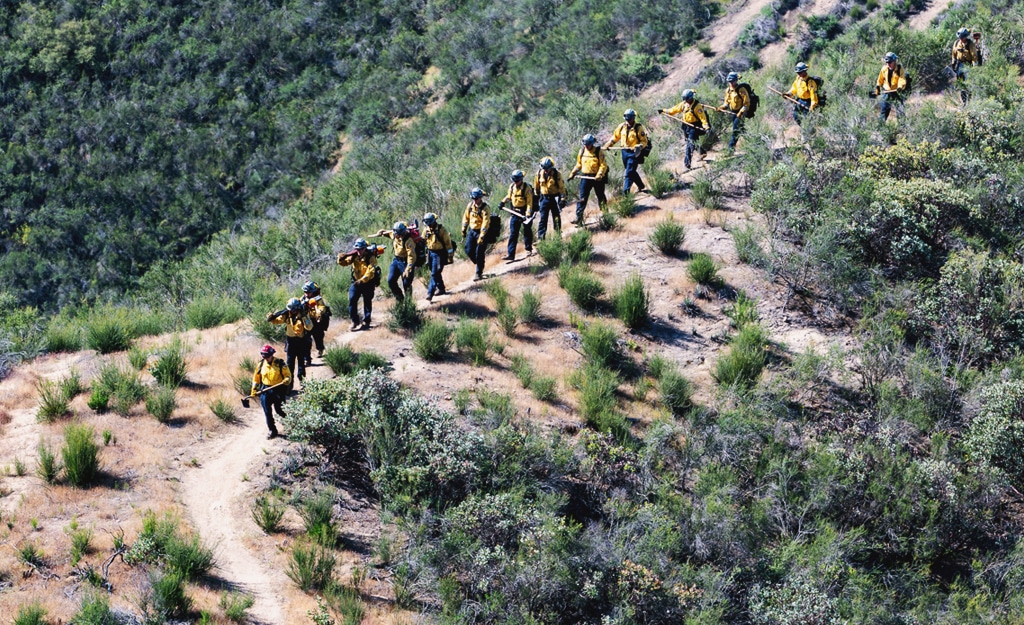
Across California, many forests and wildlands contain more vegetation than they can safely support. Dense brush, fallen limbs, and tightly packed small trees can act as fuel when a wildfire starts. Dense forests are also more vulnerable to drought, pests, and diseases.
When there is too much fuel on the ground or growing close together, fires can burn hotter and spread faster. This makes them harder to control and more dangerous for nearby communities.
Reducing excess fuels helps change how fires behave on the landscape.
What Are "Fuels"?
In wildfire terms, fuels are plants and organic matter that can burn.
This includes things like:
· Dry brush and grasses
· Small trees growing close together
· Dead or dying vegetation
· Low branches that allow fire to climb into treetops
When these fuels build up, they can allow fire to move quickly from the ground into the forest canopy and across large areas.
How CAL FIRE Reduces Fuels
CAL FIRE uses proven methods to reduce excess fuels and improve forest health. In some areas, trained crews remove vegetation by hand or with equipment. This process, often called thinning, helps create more space between trees and removes ladder fuels. These treatments are especially important near communities, roads, and areas where prescribed fire may not be immediately possible.
Working Together With Fire
Fuel reduction and prescribed fire work best together. In many locations, excess vegetation is reduced first through mechanical treatment or hand work. Prescribed fire can then be used later to maintain healthier forest conditions over time.
How Fuels Reduction Helps Communities
Reducing excess fuels can slow wildfire spread, lower fire intensity, create safer conditions for firefighters, and help protect homes, infrastructure, and evacuation routes. These treatments do not stop all wildfires, but they can make fires more manageable and less destructive.