Returning Home Checklist
Understanding the risks and staying safe post-wildfire.
Immediate safety precautions
The danger doesn’t end when the wildfire is extinguished. The aftermath can present various hazards, from flash flooding and debris flows to structural instability and compromised trees.
Here’s a comprehensive guide to navigate this critical period safely:
Before Arriving / On the Way
- Confirm fire officials have declared your property safe to enter.
- Drive cautiously! Look for weakened or fallen trees, loose debris, damaged poles, rocks, and blocked roads/driveways.
- Keep an emergency alert device or radio on for weather and evacuation updates.
- Review evacuation plan and be prepared to leave again, quickly if needed.
Outside Property / Perimeter Inspection
- Carefully inspect trees and poles; avoid areas with deep charring, leaning, or instability.
- Look for smoldering embers on roof, gutters, downspouts, decks, crawl spaces, overhangs, wood piles, and debris piles.
- Walk driveway and entry path. Push debris to the side for temporary access.
- Stay away from any exposed utility hazards (damaged poles, wires, gas equipment). Report anything found immediately.
- Be alert to erosion or flood risk from burned slopes upstream.
Before Entering a Building
- Use a flashlight to inspect exterior first. Check roof, eaves, vents, basement/crawl space.
- Smell for gas around meters, tanks, and lines. If detected, leave immediately and call utility.
- Look for downed power lines. Avoid the area and contact utility.
- Ensure entry path and structure appear stable before going inside.
Utilities & Systems
- Ensure main electrical breaker is OFF before turning power back on. If meter is damaged, do not restore power.
- Turn off propane tank or heating-oil system until inspected; do not use if damaged.
- If using well water, have system inspected before drinking or cooking.
- Do not use tap water until authorities confirm it is safe.
- Have solar systems inspected by a licensed technician before use.
Entering & Interior Inspection
- Enter with caution; check for sagging ceilings, cracked walls, warped floors, leaks, or water damage.
- Check attic, crawl space, vents, and hidden areas for ash or embers.
- Test smoke alarms, carbon monoxide (CO) detectors, security systems, and emergency lighting.
- Discard any food exposed to heat, smoke, soot, or spoiled by power outage.
- Open windows and doors to ventilate smoke and odor if safe to do so.
- Document damage with clear photos for insurance purposes.
Cleanup & Intermediate Steps
- Begin debris removal only after local authorization and proper procedures.
- Clear flammable materials and create defensible space around home.
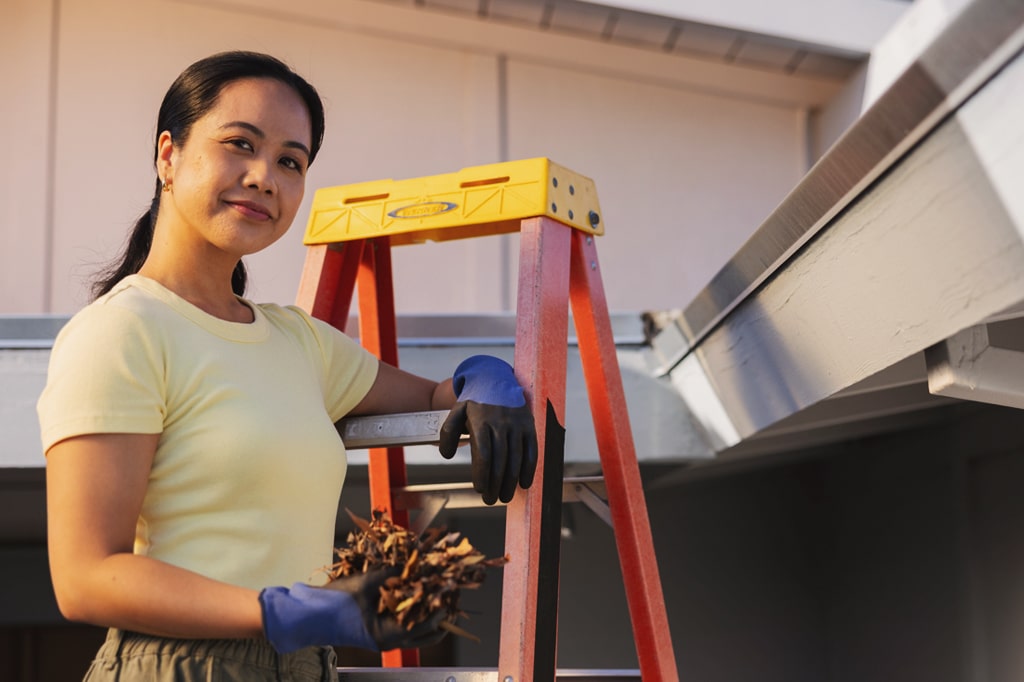
- Clean gutters, downspouts, and drains of ash, soot, and debris.
- Monitor slopes, hillsides, and drainage areas for erosion or debris-flow risks.
- Re-inspect daily, especially after wind or rain, for smoldering or new hazards.
Ongoing Safety & Follow-up
- Arrange professional inspections for structural, electrical, and mechanical systems.
- File insurance claims and retain receipts for repairs and cleanup.
- Update wildfire evacuation and emergency plans.
- Remain vigilant for flash-flooding, falling trees, and delayed damage risks.
- Follow local recovery guidance and stay connected to emergency alerts and community resources.
Returning home post-wildfire: Safety checklist
This checklist provides a detailed guide for safely assessing and entering your home post-wildfire.