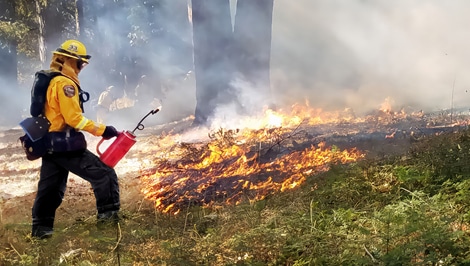
Prescribed fires
We start fires to stop fires. These fires reduce the likelihood of severe damage caused by wildfires.

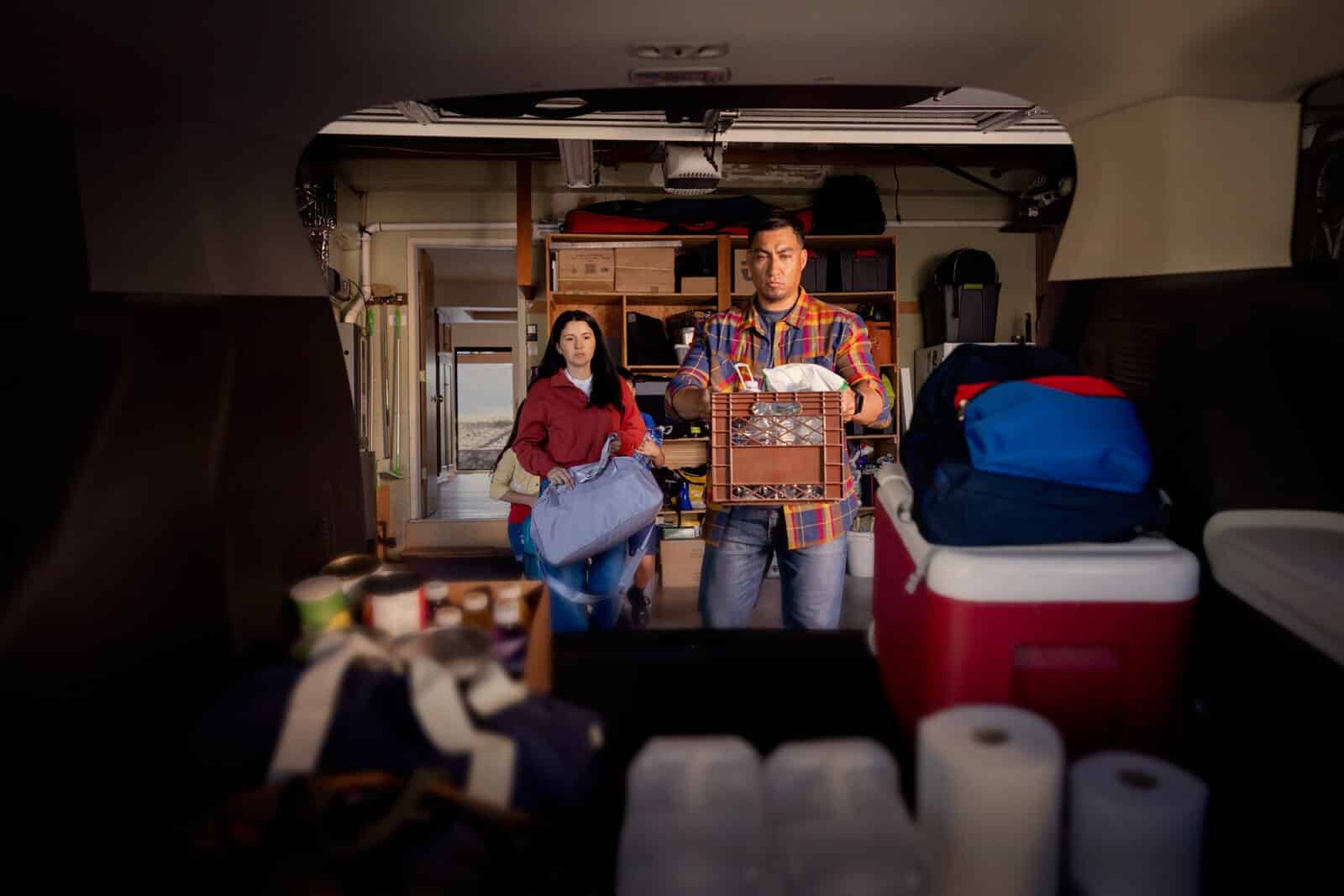
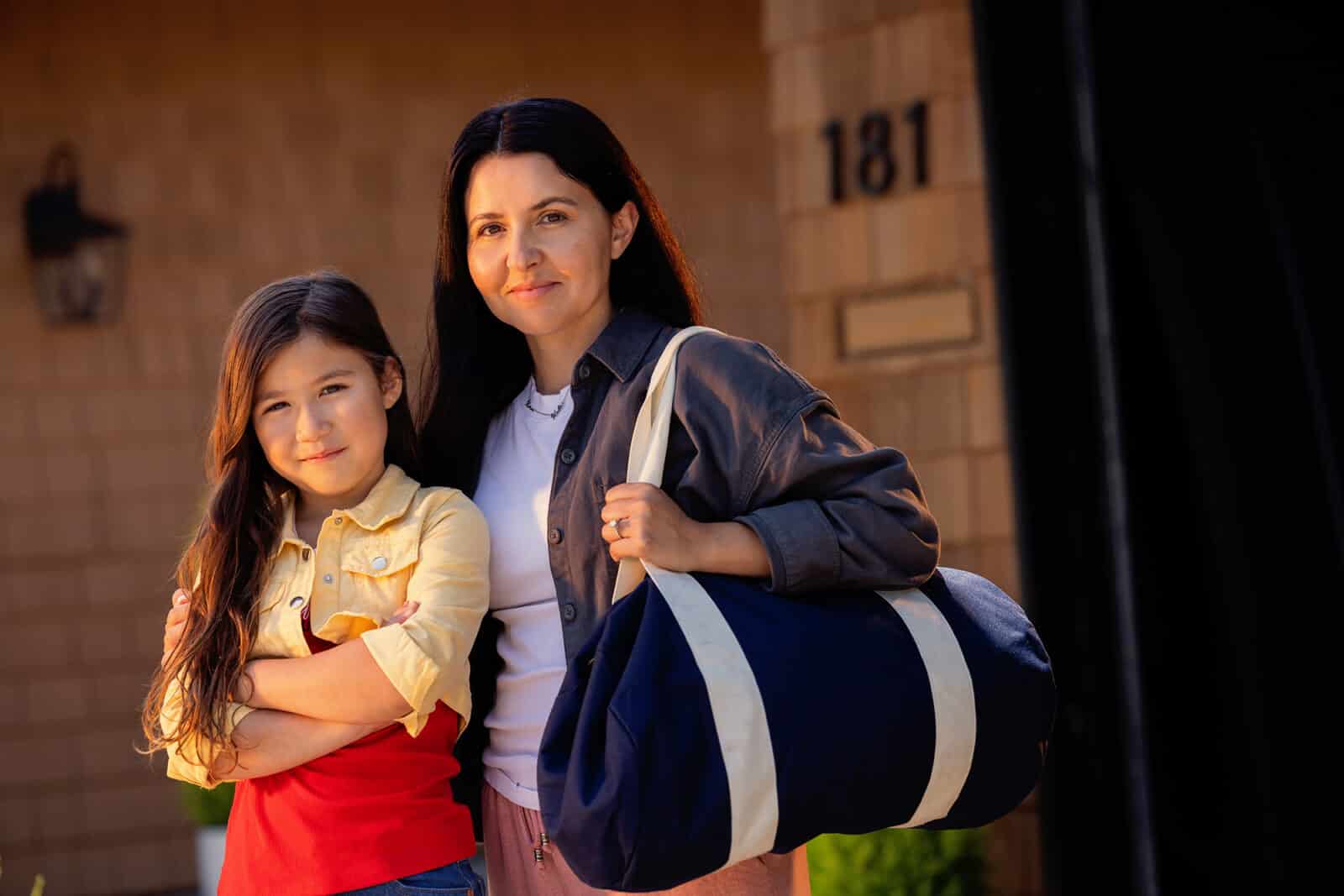
Get your GO BAG ready now. And when it’s time to evacuate, go right away.
Learn How


Stay one step ahead of California's wildfires with our expert advice.
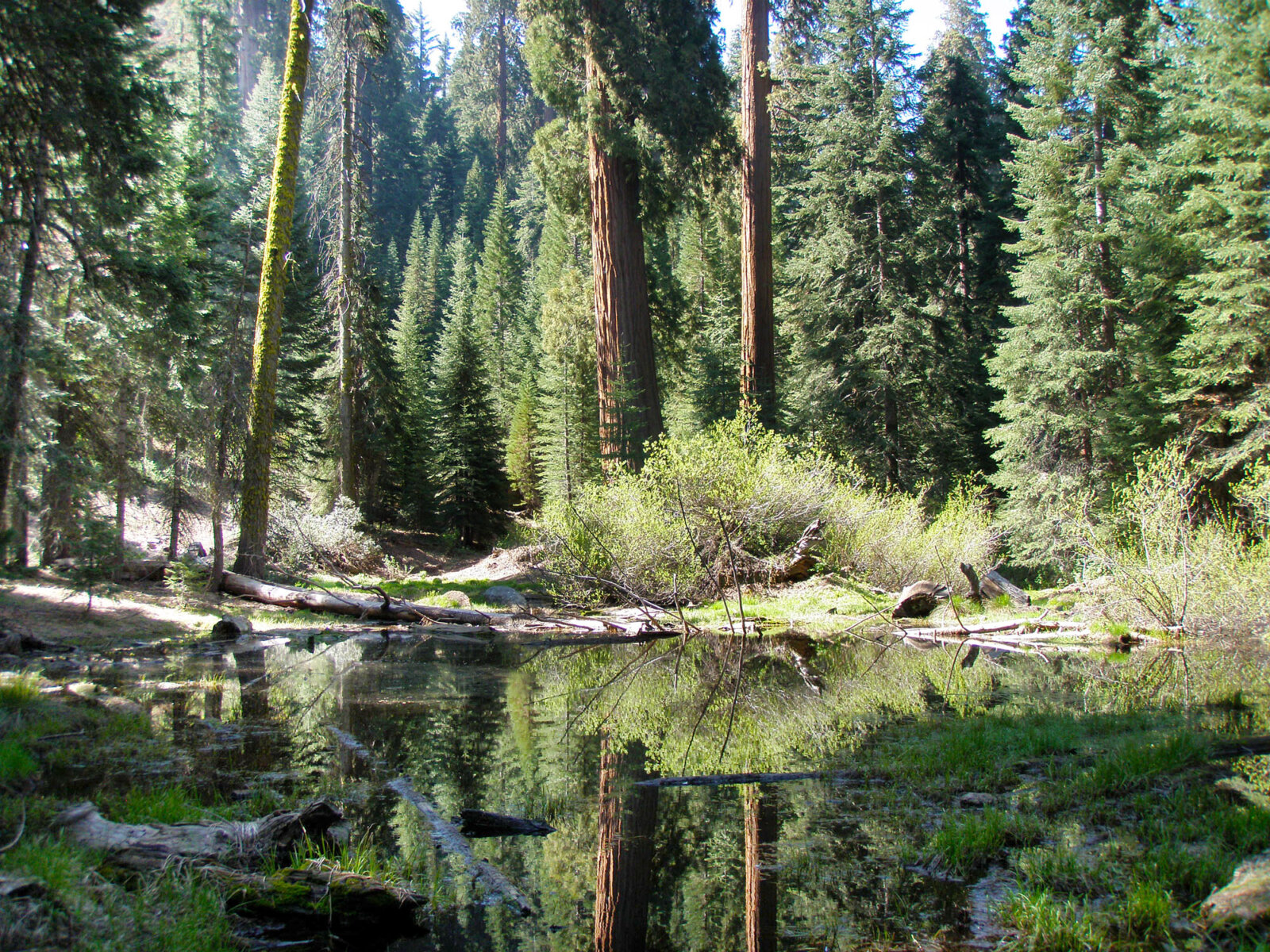
In 2019, key organizations united for California's forests, focusing on fuel reduction and species conservation. Discover how we're making a difference together.
Stay informed, stay safe
 Start planning with firePLANNER
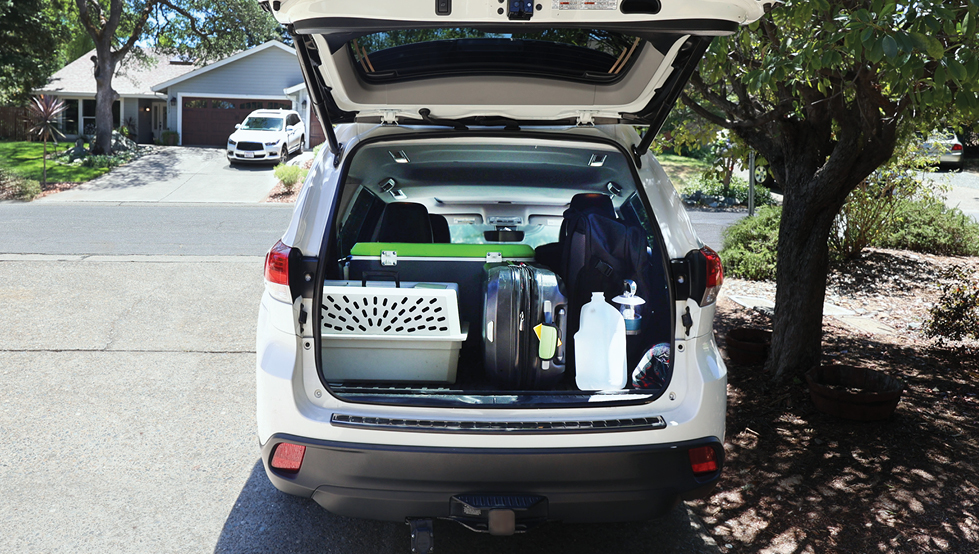
Our firePlanner helps you prepare for wildfires, whether you rent, own a home, or have pets. It guides you on what to do to stay safe.
Start planning now View Current Emergency Incidents
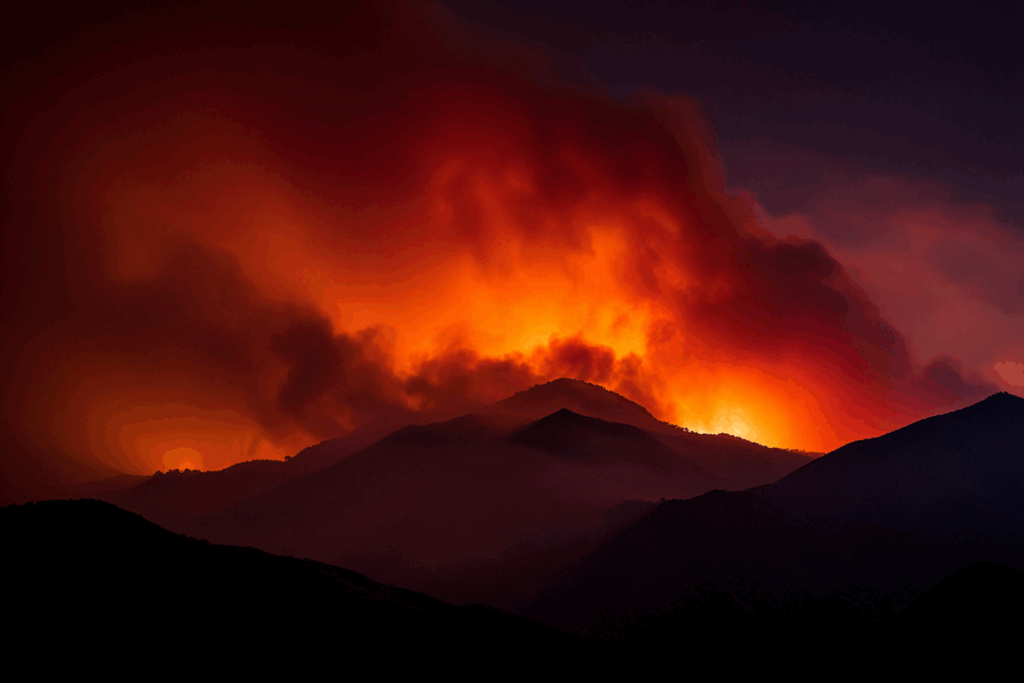
See all current emergency incidents in California, including all 10+ acre wildfires.
See active fires near youDiscover CAL FIRE's wildfire defense tactics
We start fires to stop fires. These fires reduce the likelihood of severe damage caused by wildfires.
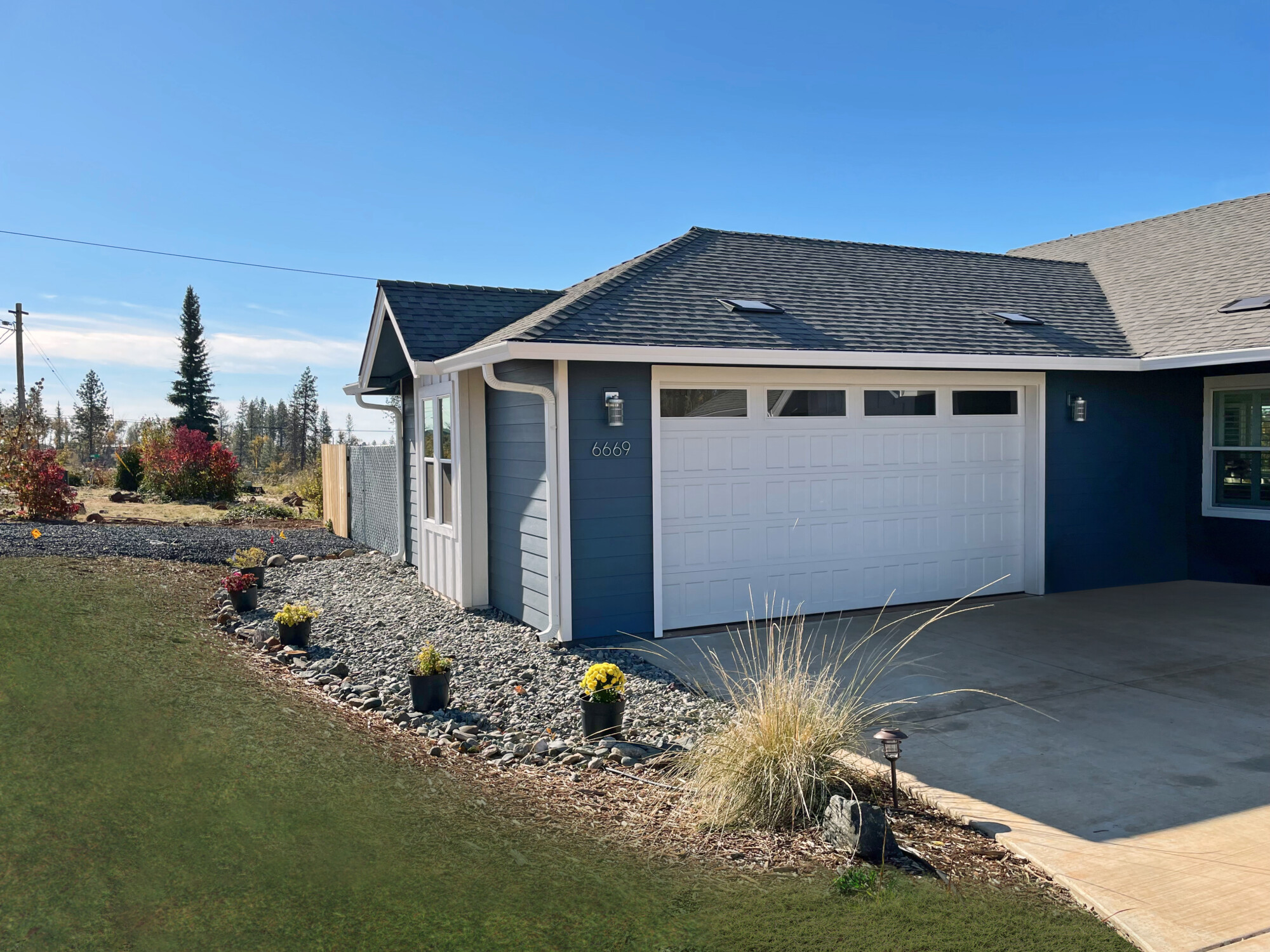
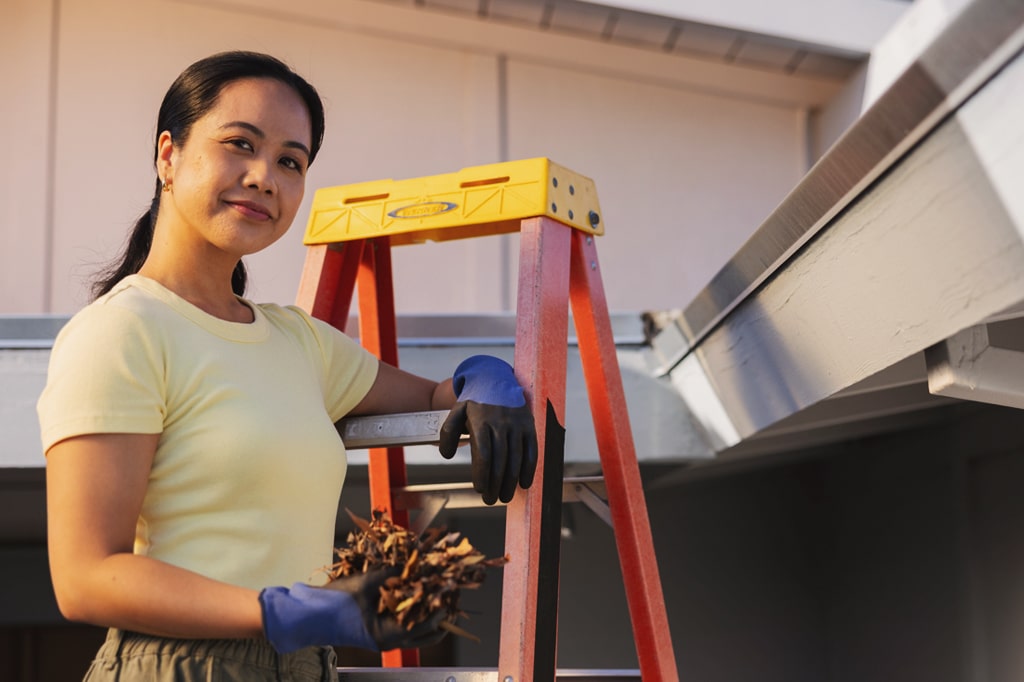
Slow the spread of wildfire by creating a buffer between your home and the surrounding wildland.
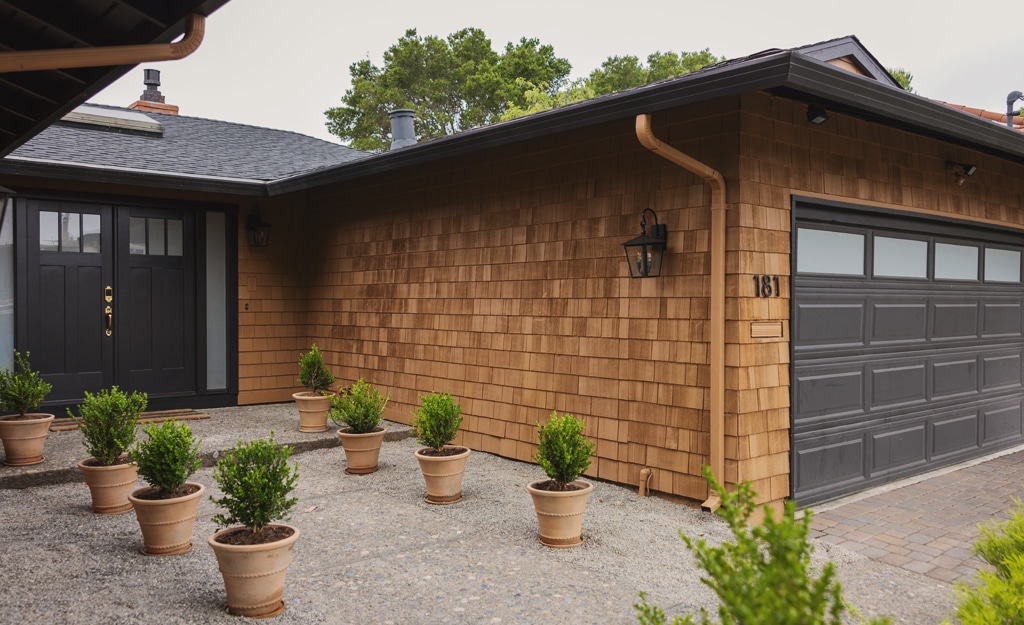
Increase your homes likelihood of survival with upgrades to fire-resistant materials.